Myth 1: Foot Pain is Normal
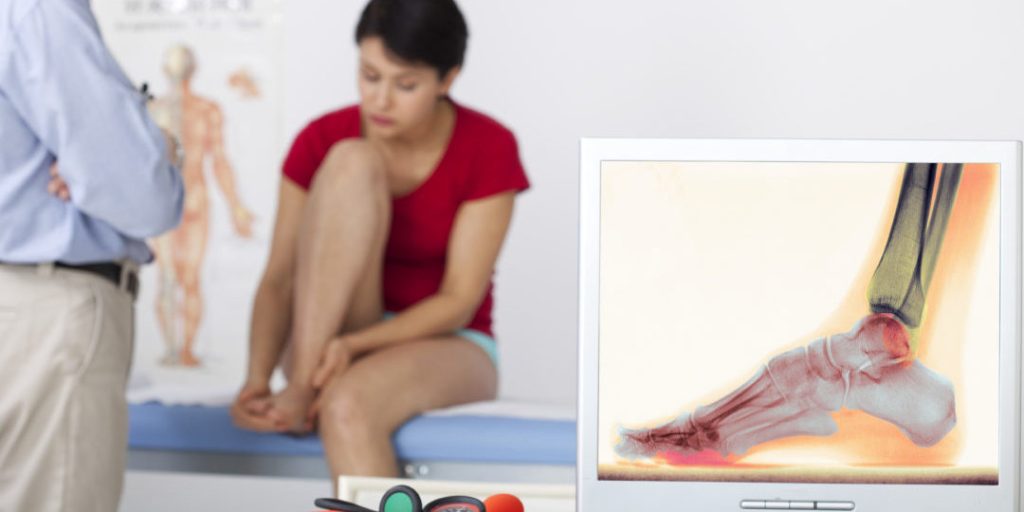
Debunking the Myth: One of the most widespread myths is that foot pain is a normal part of life, especially as you age. Many people believe that experiencing discomfort in their feet is just something they have to endure. However, this couldn’t be further from the truth. While occasional tiredness after a long day is expected, persistent foot pain is not normal and should be addressed.
The Reality: Foot pain can be a sign of an underlying issue, such as plantar fasciitis, bunions, or arthritis. Ignoring the pain can lead to worsening conditions and can affect your mobility. If you’re experiencing chronic foot pain, it’s essential to seek professional advice from a podiatrist or foot care specialist to diagnose and treat the problem early.
Myth 2: You Don’t Need to Worry About Your Feet if You’re Not Diabetic
Debunking the Myth: There’s a common misconception that foot care is primarily important for people with diabetes due to their increased risk of foot-related complications. While it’s true that individuals with diabetes need to be particularly vigilant about foot health, this myth can give non-diabetics a false sense of security.
The Reality: Foot health is crucial for everyone, regardless of whether you have diabetes. Issues like athlete’s foot, ingrown toenails, and fungal infections can affect anyone and may require medical attention. Regular foot care practices, such as proper hygiene, moisturizing, and wearing appropriate footwear, are essential for preventing common foot problems.
Myth 3: Cutting Your Nails Straight Across Prevents Ingrown Toenails
Debunking the Myth: Many believe that cutting toenails straight across is a foolproof way to prevent ingrown toenails. While this method can reduce the risk, it’s not a guarantee against developing this painful condition.
The Reality: While cutting your nails straight across is generally recommended, other factors can contribute to ingrown toenails, such as wearing tight shoes, injury, or even genetic predisposition. If you’re prone to ingrown toenails, consider seeking professional guidance on nail care and foot health. A podiatrist can provide specific advice tailored to your needs.
Myth 4: Foot Odor Means You’re Not Keeping Your Feet Clean
Debunking the Myth: Foot odour is often mistakenly attributed solely to poor hygiene, leading many to believe that frequent washing will eliminate the problem. While cleanliness is important, foot odour isn’t always a hygiene issue.
The Reality: Foot odour is primarily caused by bacteria that thrive in warm, moist environments. Even if you wash your feet regularly, wearing non-breathable shoes and socks can create the perfect conditions for these bacteria to multiply. To combat foot odor, it’s crucial to keep your feet dry, change socks daily, and choose breathable footwear. Using antifungal powders or sprays can also help manage odor by reducing moisture and bacteria.
Myth 5: Walking Barefoot is Always Bad for Your Feet
Debunking the Myth: The idea that walking barefoot is inherently bad for your feet has been perpetuated by many who believe it leads to injuries, calluses, or infections. However, this isn’t entirely accurate.
The Reality: Walking barefoot can have benefits, such as strengthening the muscles in your feet and improving balance. However, it’s important to consider where you’re walking barefoot. On hard or rough surfaces, going without shoes can increase your risk of cuts, puncture wounds, or stepping on something harmful. On the other hand, walking barefoot on soft surfaces, like grass or sand, can be beneficial for foot health. The key is to balance barefoot walking with wearing supportive shoes when needed.
Myth 6: All Footwear Provides Adequate Support
Debunking the Myth: Many people assume that all shoes are designed to support the feet adequately. Unfortunately, this isn’t true, and wearing improper footwear can lead to a variety of foot problems.
The Reality: Not all shoes are created equal. Fashionable shoes, such as high heels or flip-flops, often lack the support needed to keep your feet healthy. Wearing shoes that don’t provide proper arch support or cushioning can contribute to conditions like plantar fasciitis, bunions, and flat feet. When choosing footwear, it’s important to prioritize comfort and support over style. Look for shoes with good arch support, a wide toe box, and cushioning that suits your specific foot shape and activity level.
Myth 7: Corns and Calluses Should Always Be Removed
Debunking the Myth: Corns and calluses are often viewed as unsightly and are commonly removed using over-the-counter products or home remedies. However, this practice can be harmful if not done correctly.
The Reality: Corns and calluses form as a protective response to friction or pressure on the skin. While they may be uncomfortable, they’re not necessarily harmful and can actually protect your feet. Attempting to remove them yourself, especially with sharp tools or harsh chemicals, can lead to injury or infection. If you find them bothersome, it’s best to consult a foot care professional who can safely address the issue.
Myth 8: Foot Health Doesn’t Affect Overall Health
Debunking the Myth: Some people believe that foot health is isolated from the rest of the body and doesn’t significantly impact overall health. This misconception can lead to neglecting foot care altogether.
The Reality: Your feet are the foundation of your body, and their health can affect your overall well-being. Foot problems can lead to changes in gait, posture, and balance, potentially causing pain in the knees, hips, and lower back. Additionally, certain foot conditions, like infections, can spread and impact your general health. Maintaining good foot health is essential for your overall quality of life and mobility.