As the excitement of footy season kicks off, many young athletes are eager to hit the field and show off their skills. However, parents and young players should be aware of a common condition that can lead to heel pain—Sever’s Disease. Understanding this condition is essential for ensuring that kids stay active and injury-free throughout the season.
What is Sever’s Disease?
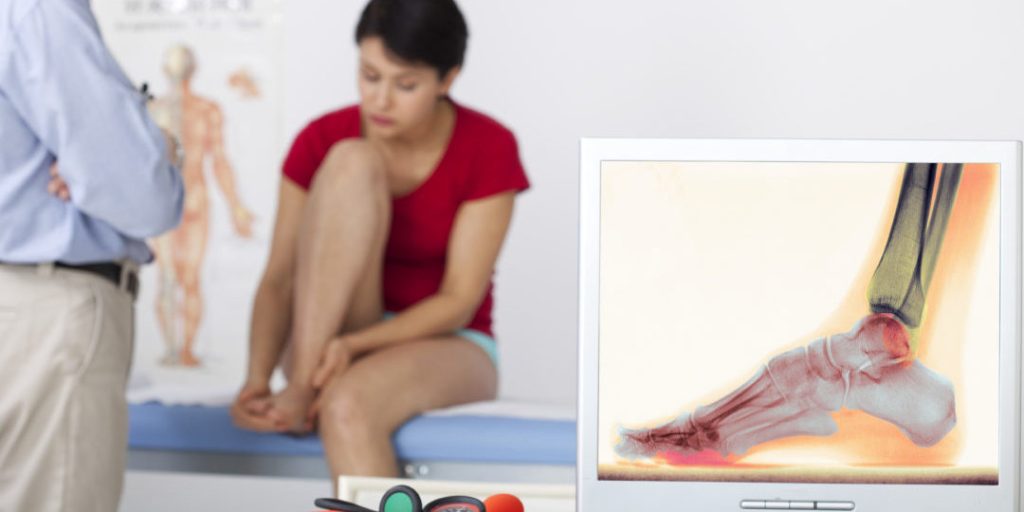
Sever’s Disease, also known as calcaneal apophysitis, is an overuse injury that typically affects children aged 8 to 14 when their feet are still growing. It occurs when the growth plate in the heel (the calcaneus) becomes inflamed due to repetitive stress, often from activities like running, jumping, and kicking, which are common in footy.
Symptoms of Sever’s Disease
Children with Sever’s Disease may experience:
– Pain in the heel, especially during and after activity. Often resulting in an obvious limp.
– Tenderness when the heel is pressed
– Swelling or redness around the heel
– Difficulty walking or running without pain
It’s crucial for parents to recognize these symptoms early. If your child complains about heel pain, especially during footy practices or games, don’t dismiss it. Early intervention can prevent more severe issues down the line.
Causes of Sever’s Disease
Sever’s Disease is primarily caused by physical activity that puts stress on the heel. In footy players, this stress can result from:
– Sudden growth spurts: Children’s bones may grow faster than their tendons and muscles can adapt.
– Overuse: Intense training and participation in sports without adequate rest can exacerbate the problem.
– Improper footwear: Shoes that do not provide adequate support or cushioning can contribute to heel pain.
Prevention Strategies
1. Proper Footwear: Invest in high-quality, supportive sports shoes that fit well. Avoid worn-out footwear, as it can lead to inadequate support.
2. Gradual Increase in Activity: Encourage children to gradually increase their activity levels, especially if they are new to footy. A sudden spike in training intensity can lead to injury.
Preventing Sever’s Disease is easier than treating it once it develops. Here are several strategies to help minimize the risk:
3. Strength and Flexibility Exercises: Incorporate exercises that strengthen the calf muscles and improve flexibility. Stretching before and after games can reduce the strain on the heel.
4. Rest and Recovery: Ensure your child takes adequate breaks from sports, especially if they start to complain of heel pain. Listening to their bodies is essential.
Treatment Options
If your child is diagnosed with Sever’s Disease, don’t worry—most cases resolve with conservative treatment. Here are some common recommendations:
– Rest: Reducing or temporarily halting activities that cause pain can help the heel recover.
– Ice Therapy: Applying ice to the affected area can help reduce inflammation and ease pain.
– Over-the-Counter Pain Relief: Consult with a healthcare professional about using NSAIDs, like ibuprofen or naproxen, to manage pain and inflammation.
– Physical Therapy: In some cases, a physical therapist may suggest specific stretching and strengthening exercises tailored to your child’s needs.
When to See a Podiatrist
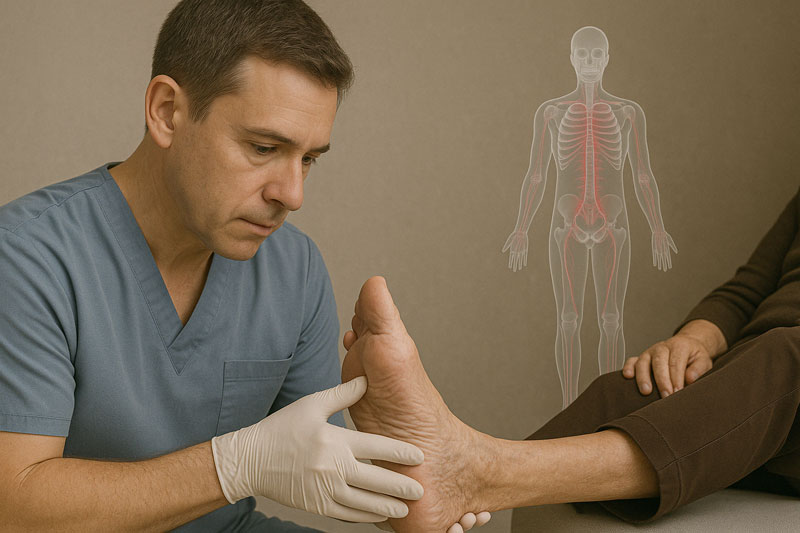
If your child’s heel pain persists, it’s important to consult a podiatrist. A podiatrist can assess the condition and recommend further interventions to ensure your child can safely return to the field.
As footy season gears up, understanding Sever’s Disease can make a significant difference in your child’s sports experience. By being proactive about prevention and treatment, kids can enjoy playing footy while minimizing the risk of heel pain. Open communication between parents, coaches, and healthcare providers is key to keeping young athletes healthy and happy on and off the field.
For more information or to schedule an appointment, contact our clinic today. Let’s keep our kids active and injury-free this footy season!